Deep Tech in Practice: Open Doors ASSIST 2026
TL;DR
- Open Doors ASSIST 2026 takes place on 4 November at the "Ștefan cel Mare" University of Suceava, with a focus this year on Deep Tech in Practice.
- The program covers Physical AI, robotics, computer vision, digital twins, and Edge AI, presented by ASSIST Software engineers working on these technologies in active projects.
- Speakers include Leonard Ostafe, Sebastian Crintea, Călin Cioban, Cristi Guliciuc, Ionuț Crăciunescu, Alexandru Parasca, and Andrei Diaconu.
- Participants who apply for an internship and attend at least one presentation are eligible to win a Raspbot V2 AI Vision Robot Car.
- Participation is free. Registration is required.
There is a version of Deep Tech that lives in research papers, conference keynotes, and product announcements. And there is the version that shows up in a robotics lab at two in the morning, in a computer vision model that has to work in poor lighting, in a digital twin that needs to reflect what is actually happening on a factory floor rather than what was planned.
On 4 November, ASSIST Software returns to "Ștefan cel Mare" University of Suceava for a new edition of Open Doors, this year focused on exactly that kind of engineering. The event is free to attend, open to students and young professionals, and designed around direct contact with the engineers, projects, and technologies involved.
Why Deep Tech in Practice
Physical AI, robotics, computer vision, digital twins, and Edge AI are no longer emerging technologies. They are in production, being used in medical devices, autonomous systems, industrial inspection, field robotics, and defense applications. The engineering challenges they create are real, specific, and not well covered by most academic curricula.
At ASSIST Software, this is a significant part of what we build. Our work in this space includes simulation environments for robotics and defense, computer vision systems designed for edge deployment, digital twin frameworks for maritime and industrial applications, and AI systems that operate under human supervision in high-stakes environments. The projects on display at Open Doors are not demos built for the event. They are systems in active development.
The Program: Live Projects, Real Engineers, Open Conversations
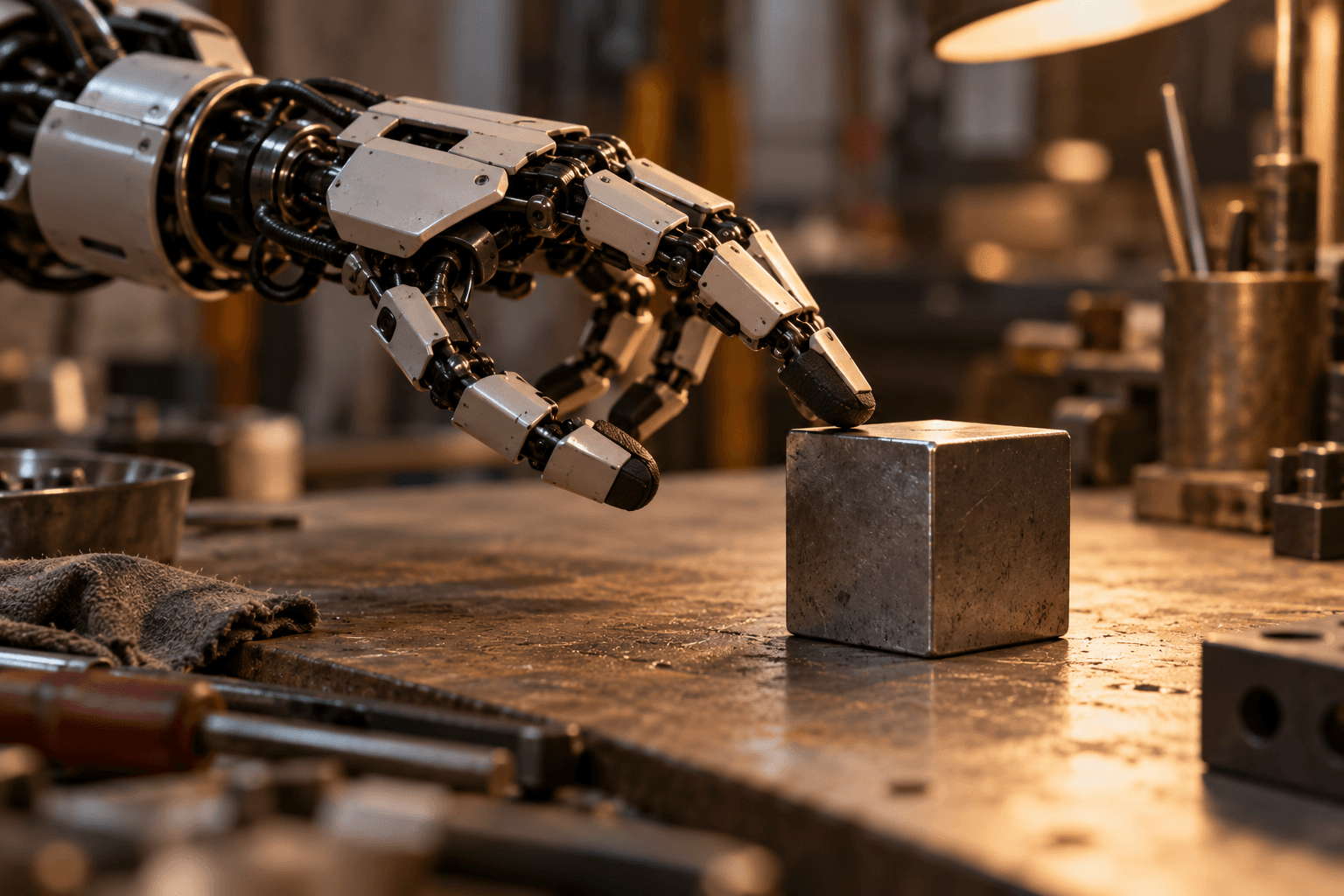
The program at Open Doors 2026 covers the full scope of Deep Tech in Practice. This year, the event brings students closer to the technologies that are moving beyond the screen and into the physical world, including Physical AI, robotics, computer vision, digital twins, and Edge AI.
The presentations will be led by ASSIST Software specialists with hands-on experience in the areas they will explore on stage. Leonard Ostafe, Sebastian Crintea, and Călin Cioban will bring their perspective on Physical AI and decentralized intelligence, while Cristi Guliciuc and Ionuț Crăciunescu will discuss human-in-the-loop decision-making. Alexandru Parasca and Andrei Diaconu will take the conversation further into Edge AI, intelligent devices, and autonomous systems.
These sessions are built around what it takes to move from a working prototype to a system that operates reliably in the real world.
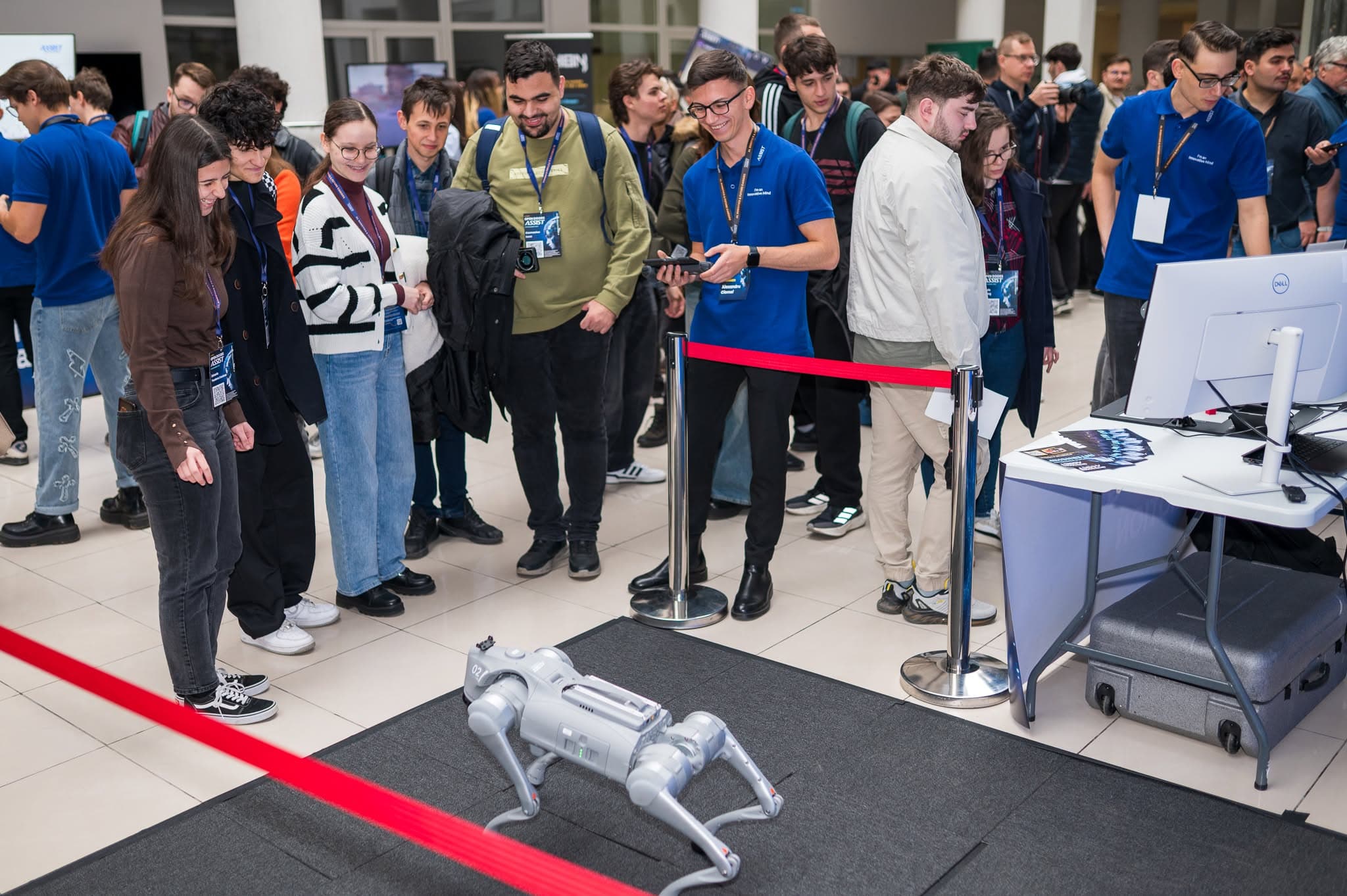
Technical stands and hands-on exhibits will give participants direct access to the projects and the people working on them, one of the clearer ways to understand what a technology actually does rather than what it is supposed to do. One-on-one conversations with ASSIST Software specialists will also be available throughout the event for anyone interested in discussing career paths, internships, technical roles, or what working on real Deep Tech projects looks like in practice.
Something Extra This Year
Eligible participants who apply for an internship at the event and attend at least one presentation will be eligible to win a Raspbot V2 AI Vision Robot Car, a hands-on robotics kit designed for experimenting with computer vision, autonomous navigation, and AI development. It is the kind of hardware that makes the concepts discussed during the sessions immediately tangible.
How This Kind of Exposure Shapes a Technical Career
The engineering decisions that matter in Deep Tech, what makes a robotics system reliable, a computer vision model deployable, or a digital twin useful, are not the kind that appear in textbooks. They come from building, breaking, and rebuilding systems under real constraints.
Open Doors is designed to give students and early-career engineers access to that knowledge directly, through the people who have worked through those problems on real projects. The gap between academic preparation and production engineering is wider in Deep Tech than in most other areas of software development, and events like this are one of the more direct ways to start closing it.
If this is where you want to take your career, 4 November is a useful place to spend a few hours.
Event Details
📅 4 November 2026
📍 Building E, "Ștefan cel Mare" University of Suceava
Participation is free. Registration is required.
Frequently Asked Questions
- What is Open Doors ASSIST 2026?
Open Doors ASSIST 2026 is a free event organized by ASSIST Software at "Ștefan cel Mare" University of Suceava on 4 November 2026. Focused this year on Deep Tech in Practice, the event brings students and young professionals into direct contact with ASSIST Software engineers working on Physical AI, robotics, computer vision, digital twins, and Edge AI. The program includes technical presentations, hands-on exhibits, and one-on-one career conversations.
- Who are the speakers at Open Doors ASSIST 2026?
The presentations will be delivered by ASSIST Software specialists with hands-on experience in the technologies they discuss. Leonard Ostafe, Sebastian Crintea, and Călin Cioban will address Physical AI and decentralized intelligence. Cristi Guliciuc and Ionuț Crăciunescu will cover human-in-the-loop decision-making. Alexandru Parasca and Andrei Diaconu will explore Edge AI, intelligent devices, and autonomous systems.
- How can students apply for an internship at Open Doors ASSIST 2026?
Students interested in internships can apply directly at the event. Eligible participants who apply for an internship and attend at least one presentation will also have the chance to win a Raspbot V2 AI Vision Robot Car, a hands-on robotics kit for experimenting with computer vision, autonomous navigation, and AI development. Participation is free but registration is required in advance.